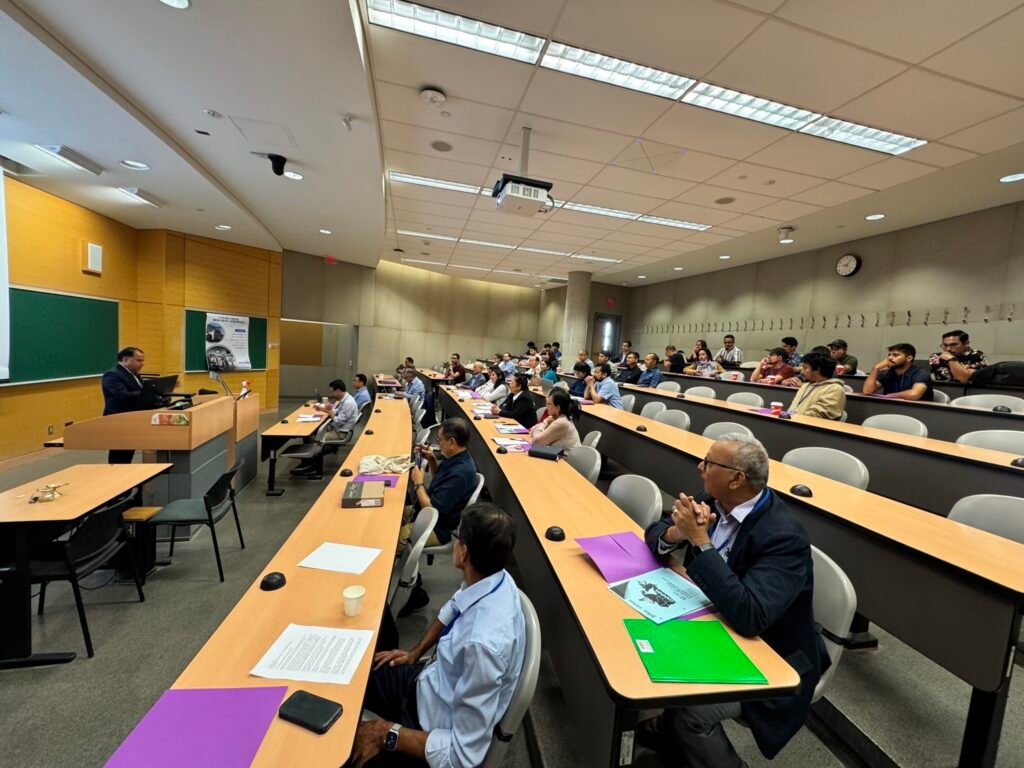
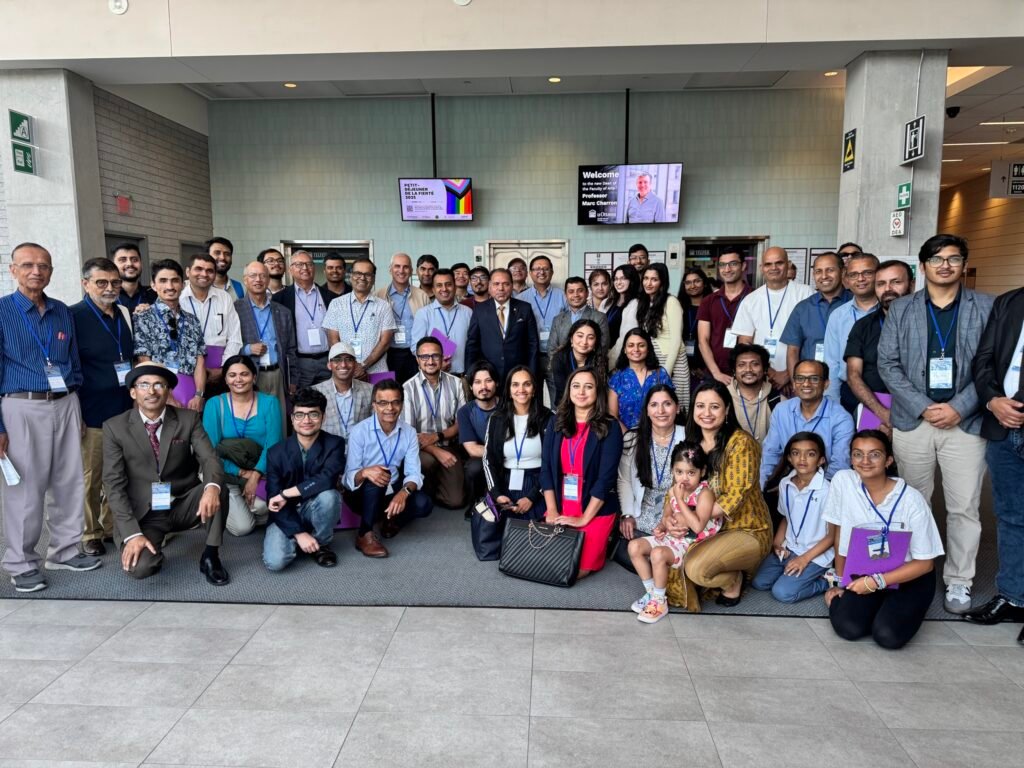
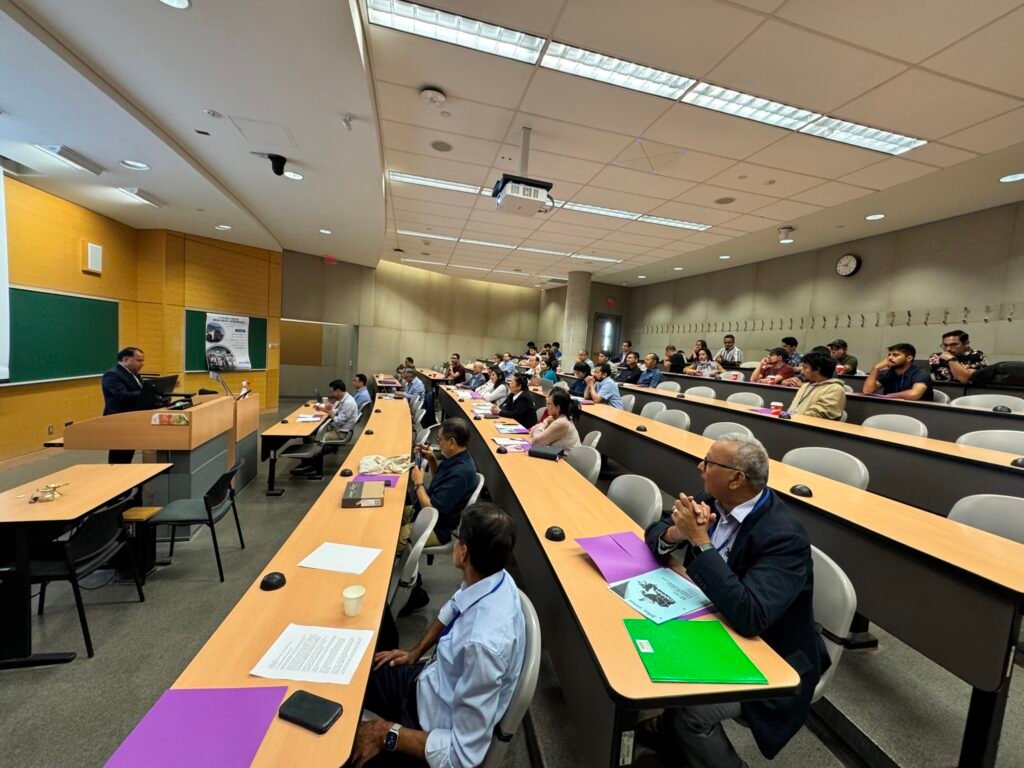
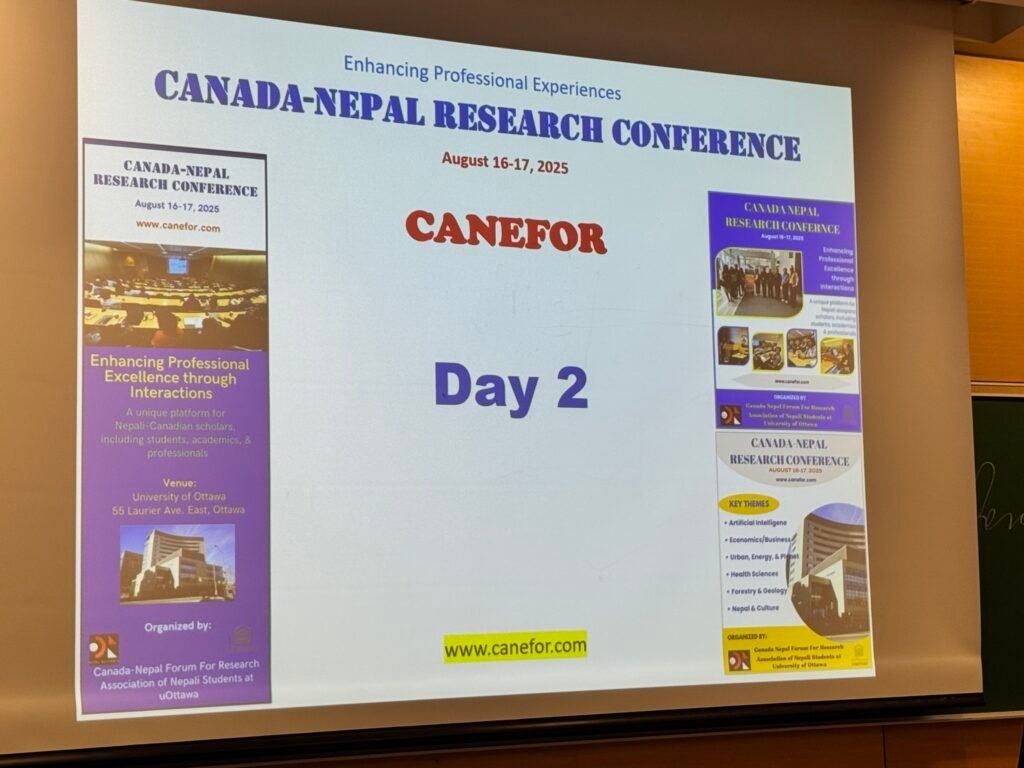
It was a truly enlightening experience to attend the Canada-Nepal Forum for Research: Ottawa Research Conference on August 16 and 17, 2025, at the University of Ottawa. The conference was a remarkable opportunity to witness the vibrant intellectual contributions of the Nepali diaspora and scholars from various academic disciplines. The diverse program brought together academicians, researchers, and practitioners to share their insights on a wide range of topics, from geology, tourism and business to health and artificial intelligence.
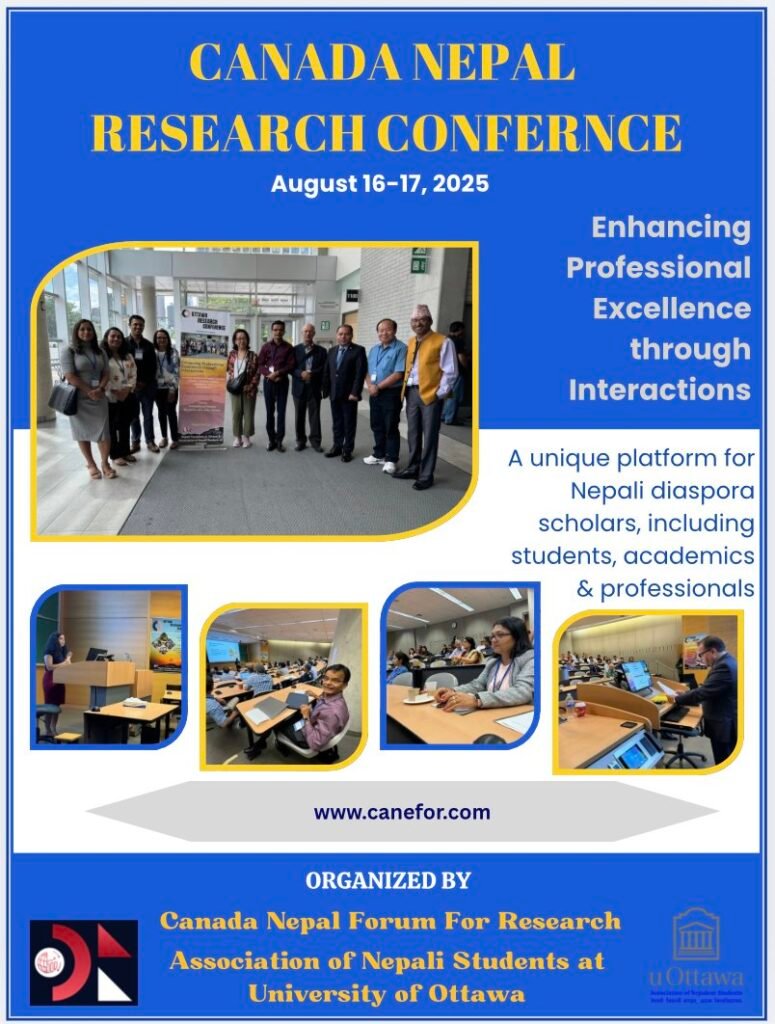
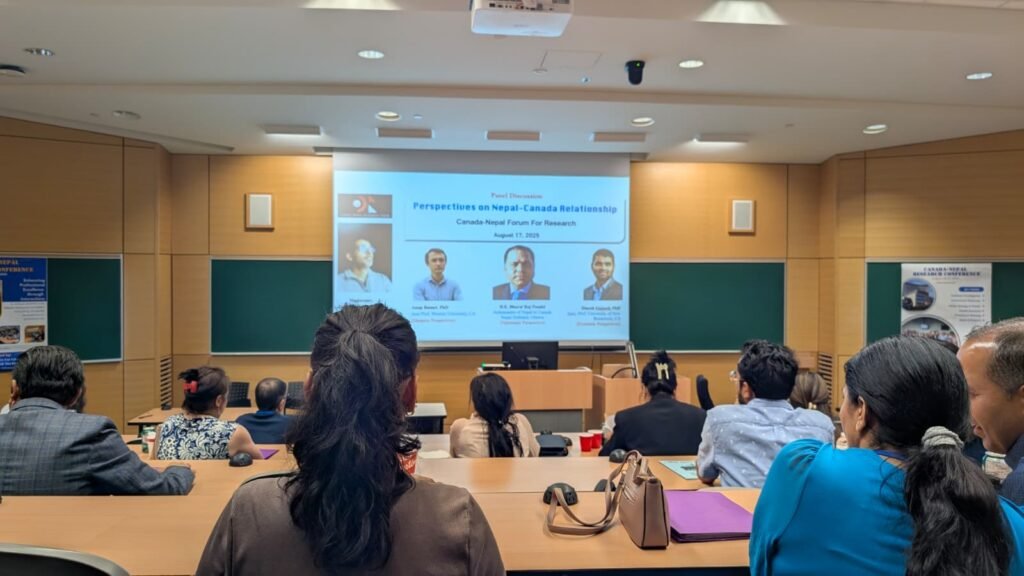
The two-day program was packed with engaging sessions, each offering a unique perspective. The first day kicked off with discussions on topics like geology and tourism, with presenters such as Prof. Hom Nath Gharti from Queen’s University, who discussed numerical simulations of the April 2015 Nepal Gorkha Earthquake, and Dipak Bishwokarma from the University of Waterloo, who explored the role of tourism-specific social capital in post-disaster recovery in Nepal. Parallel sessions followed, including the “Rising Scholars’ Forum” and a focus on “Biology and Health”. I was especially drawn to the session on “Forestry and Climate Change”, where presenters like Bibek Bhandari, Professor Shuva Hari Gautam, and Bibek Subedi from Université Laval highlighted the impacts of forestry operations and the application of artificial intelligence in the forest products supply chain. A significant highlight was the panel discussion on “Canada-Nepal Relation”, which featured speakers including H.E. Ambassador Bharat Raj Paudyal, Prof. Anup Basnet, and Prof. Dinesh Gajurel, providing a crucial perspective on the bilateral relationship between the two nations.
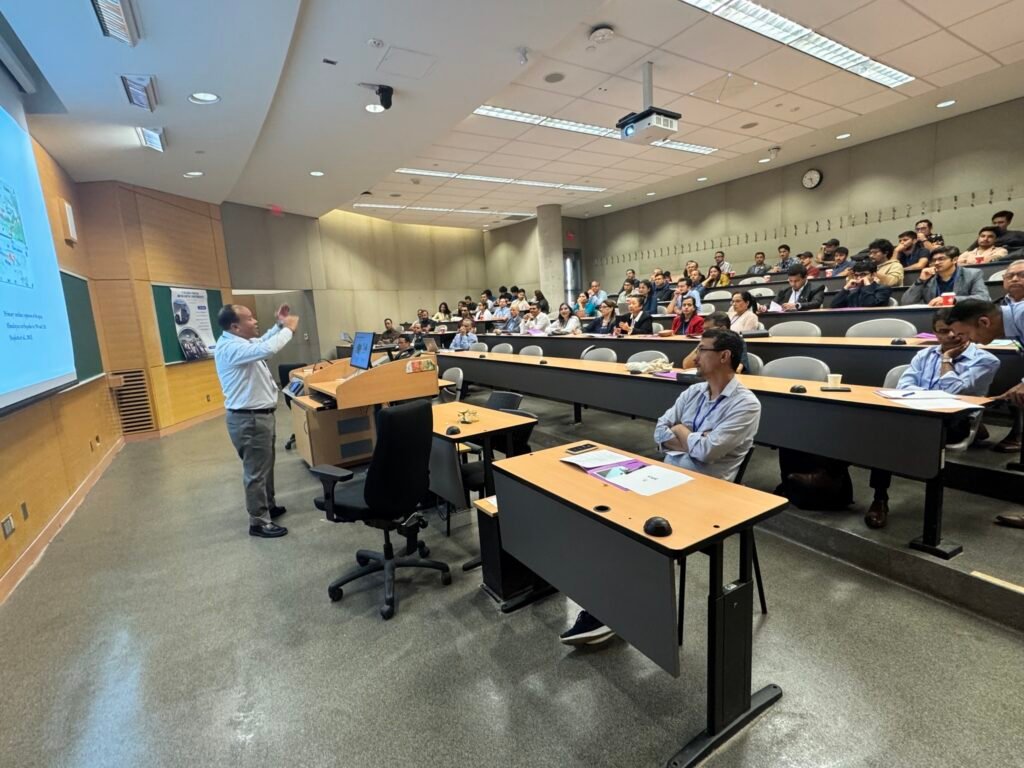
The second day brought presentations highly relevant to my own field. The “Economics, Business & AI” session was a major highlight for me. I found myself particularly engrossed in the talk by Bhanu Bhakta Acharya from the University of Ottawa, who discussed “GenAI Tools in Academia: Pedagogical Problems Faced by Canadian Professors”. Similarly, the research presented by Anup Basnet on “Why do Established Companies Appoint Board Observers?” provided key insights into corporate governance and strategic decision-making. The presentation by Dinesh Gajurel on the “Remittance-GDP nexus in Nepal” also offered a critical economic perspective on a topic of great importance.
One of the most profound takeaways from the conference was witnessing the impressive engagement and intellectual prowess of the Nepali diaspora. It was truly inspiring to see so many scholars and professionals of Nepali origin serving as chairs and presenters, contributing to a diverse array of fields, from forestry to federalism.
Seeing names like Ambika Paudel from Environment and Climate Change Canada, Sudeep Acharya from ISED Canada, and Sishir Gautam from the Government of Canada leading sessions truly highlighted the significant presence and influence of the Nepali academic community in Canada. The conference served as a powerful testament to the diaspora’s intellectual capital and its role in fostering research and knowledge exchange.
The Canada-Nepal Forum for Research provided a unique platform for learning, networking, and reflection. The interdisciplinary nature of the presentations and the strong sense of community among the Nepali diaspora left a lasting impression.
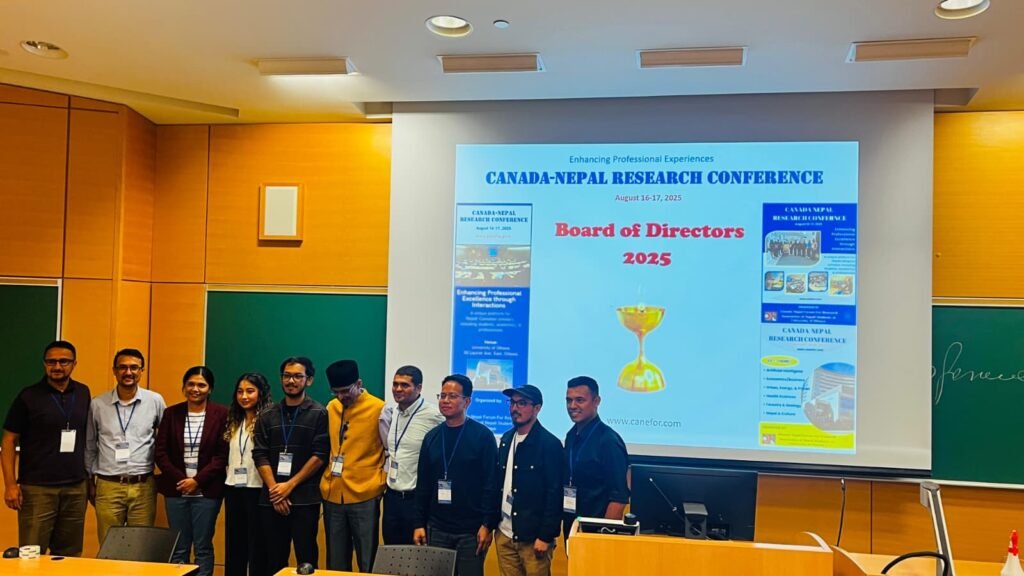
I leave the conference with a renewed sense of purpose, a deeper understanding of key issues, and valuable connections that will undoubtedly influence my own work. This experience is particularly meaningful as I prepare to take on my new role as a Student Liaison for the new board committee. My learning here will be a great asset in my efforts to bridge the gap between academic research and practical student engagement.
If you are interested to know more about Canada Nepal Research Forum, please visit canefor.com
Photo Gallery